Loading component...
Loading component...
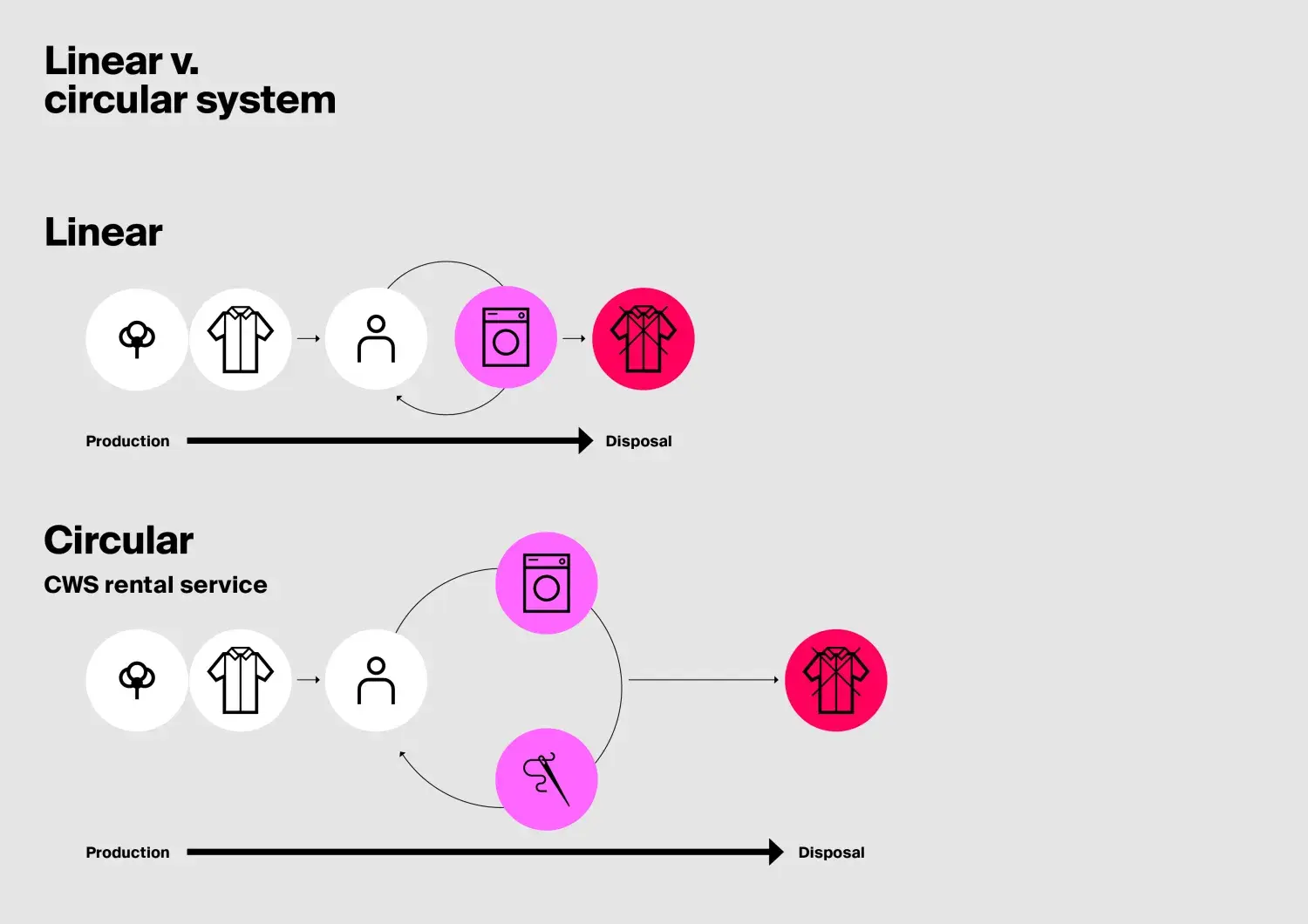
By employing data on the reuse of garments and the repair of damaged garments, CWS was able to model the climate impact of the rental service compared to a linear system in which wearers take care of washing and repairs themselves.
The calculation analysed repair, wear and reuse data for four different collections. The database was the processing of these four collections in the German CWS laundries in 2019 with a processing volume for these collections of approximately 500,000 items. “A sound database is essential for obtaining meaningful figures,” explained Tobias Steffen, who is responsible for the project as CWS Sustainability Manager and developed the calculation model together with other CWS experts.
The repair and wear data were evaluated in detail to determine the difference between the rental service and linear system. In doing so, the company examined all common repairs of the four studied collections and came to the conclusion that, within the scope of the repairs at home, only about half of all repairs that CWS performs would be done. And when wearers are left to their own devices, the rule is unfortunately: what doesn’t get repaired ends up in the bin.
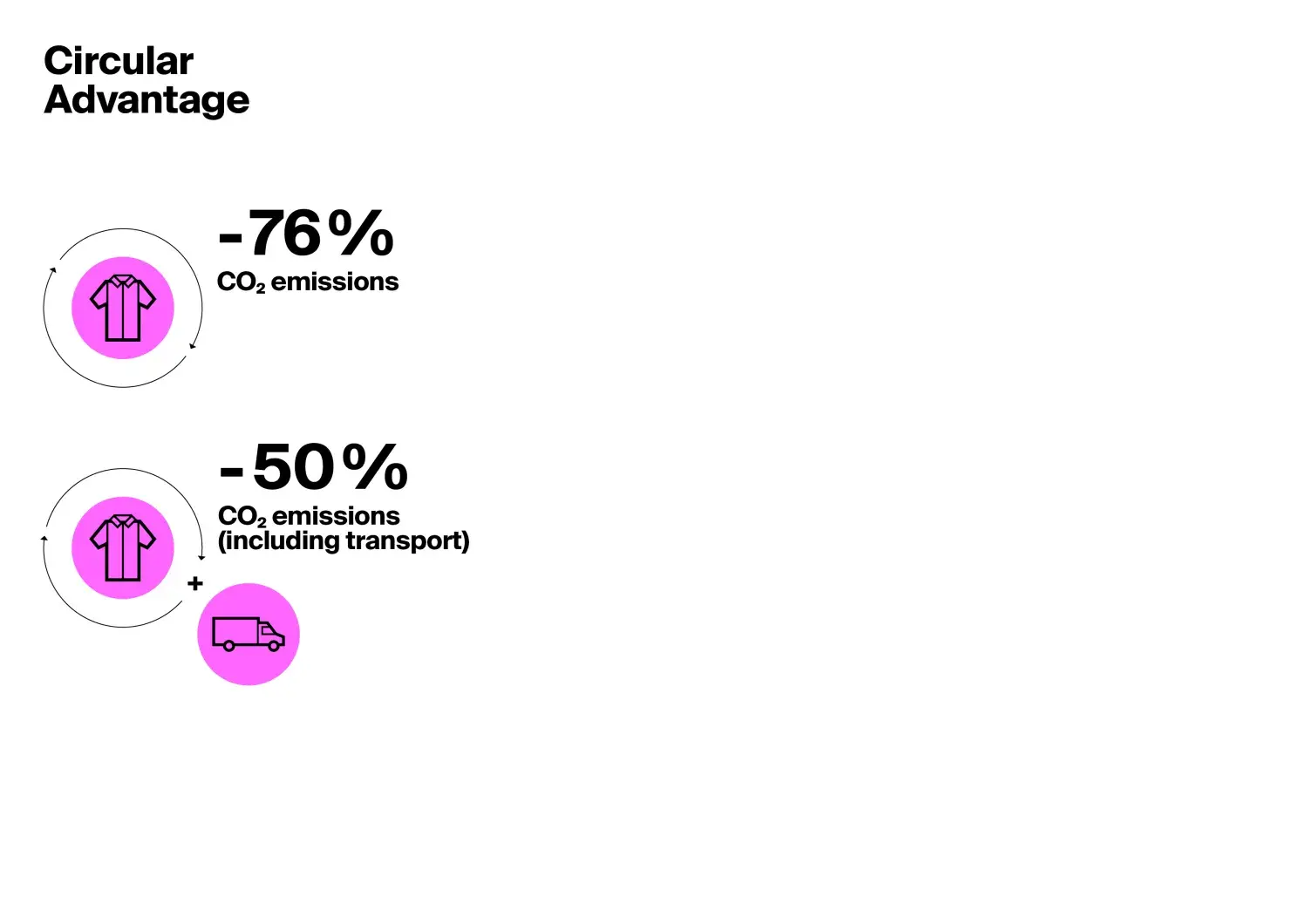
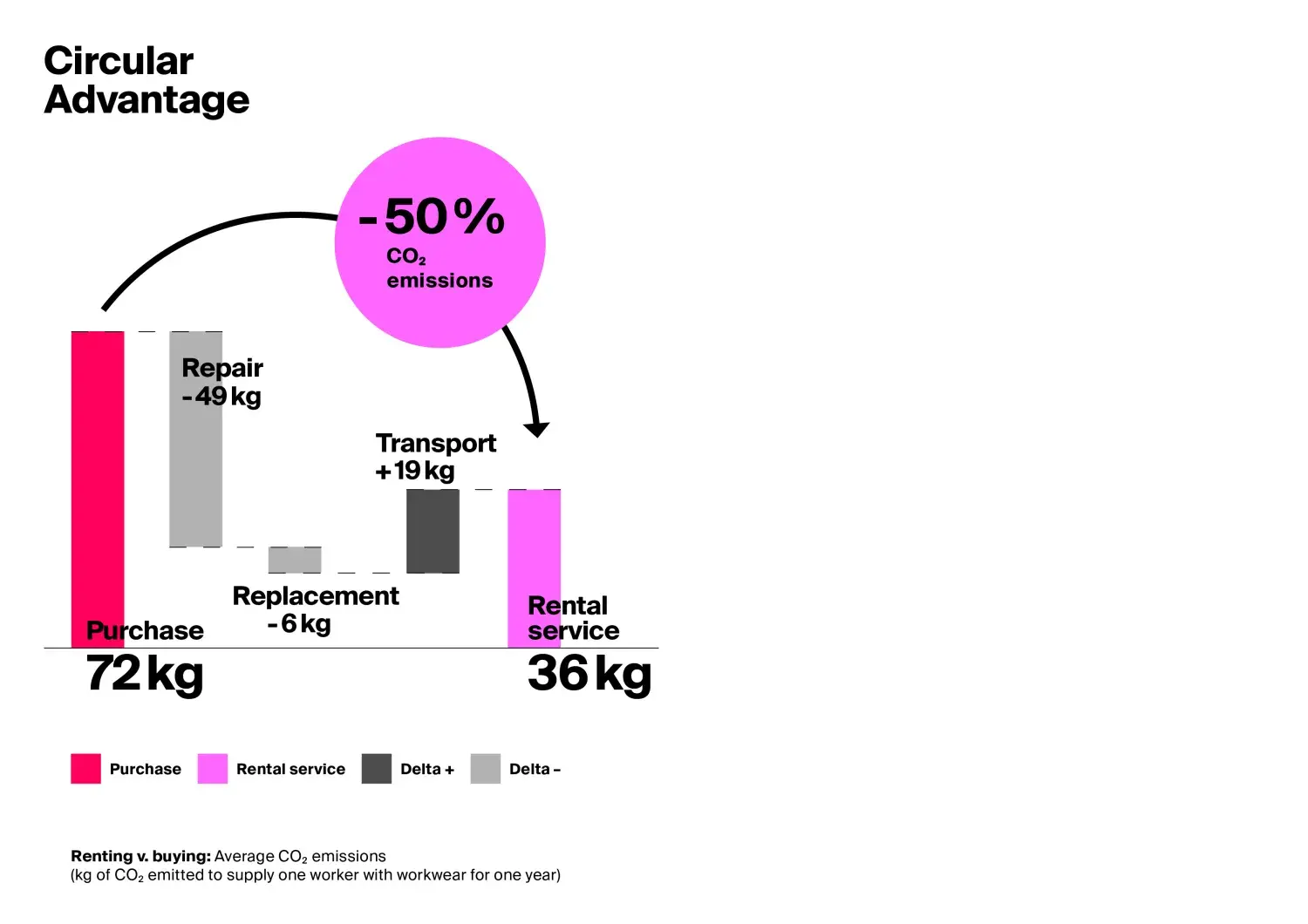
The result of the calculation is impressive: “Normally, around 72 kilograms of carbon dioxide are generated per year and worker,” said Tobias Steffen. “By offering our workwear on a rental basis, repairing worn or broken items or replacing them with used garments, we reduce these greenhouse gas emissions to just 17 kilograms of CO2 emissions without transport. Even if you factor in transport using CWS vehicles, the CO2 emissions are still halved from 72 to 36 kilograms. That’s remarkable.”