Often underestimated: allergies and sensitivities to tampons
While tampons are generally safe, around 17% of women in Europe report increased skin sensitivity in the intimate area and report tampon allergy symptoms. According to Campaign for Safe Cosmetics, residues from cotton processing, such as pesticides or bleaching agents, may contain trace substances that irritate particularly sensitive individuals. Fragrances and superabsorbents, designed to absorb fluid efficiently, can also trigger contact allergies or a burning sensation.
It is important to distinguish between true allergies and skin sensitivities. An allergy is an immunological reaction to certain ingredients, whereas irritation affects the skin and mucous membranes locally. Estimates suggest that about 1–2% of menstruating people react sensitively to specific tampon components – a small but significant group, considering that around 112 million people menstruate in Europe.
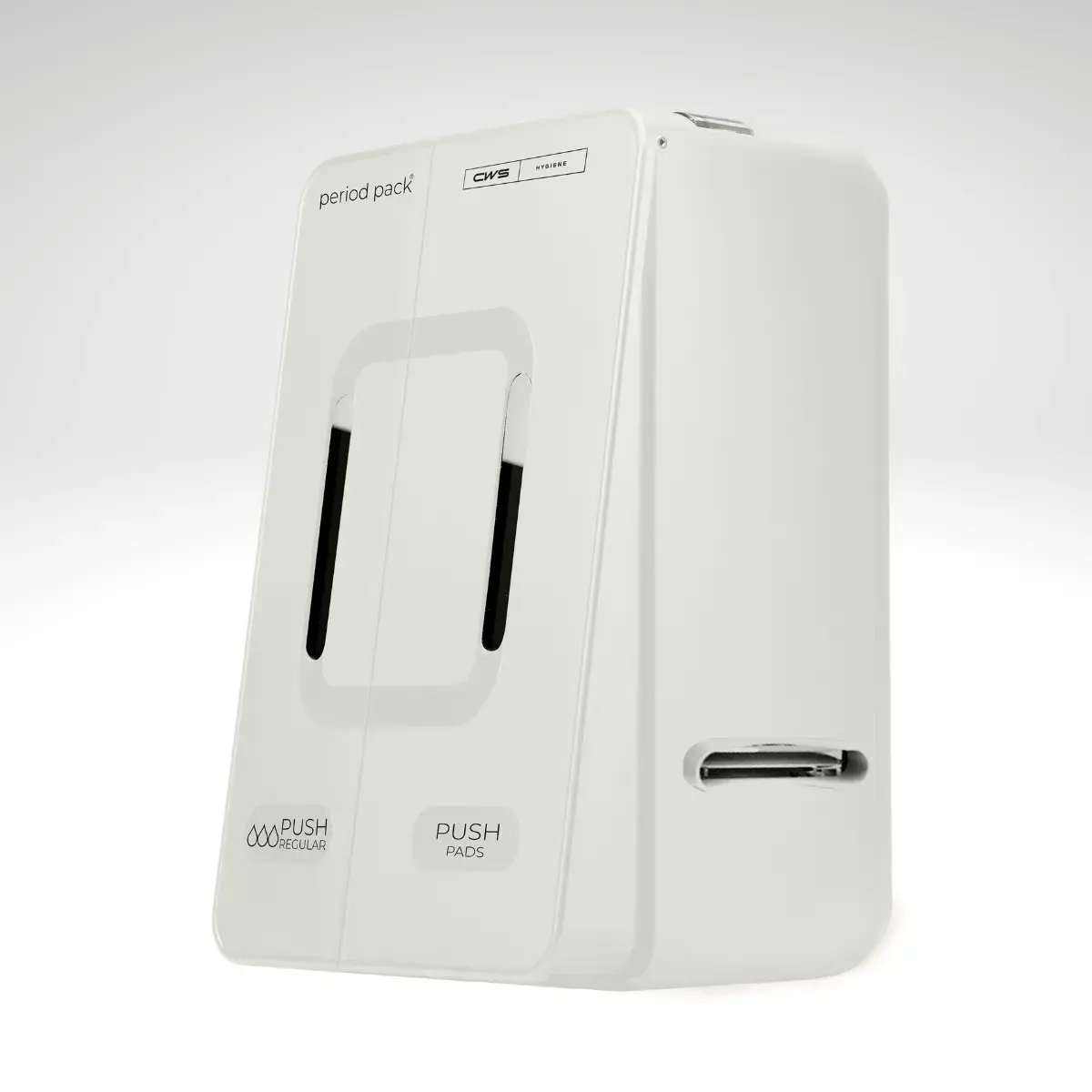
Offering a selection of different types of tampons and menstrual products not only supports health but also strengthens confidence in an institution's hygiene standards.