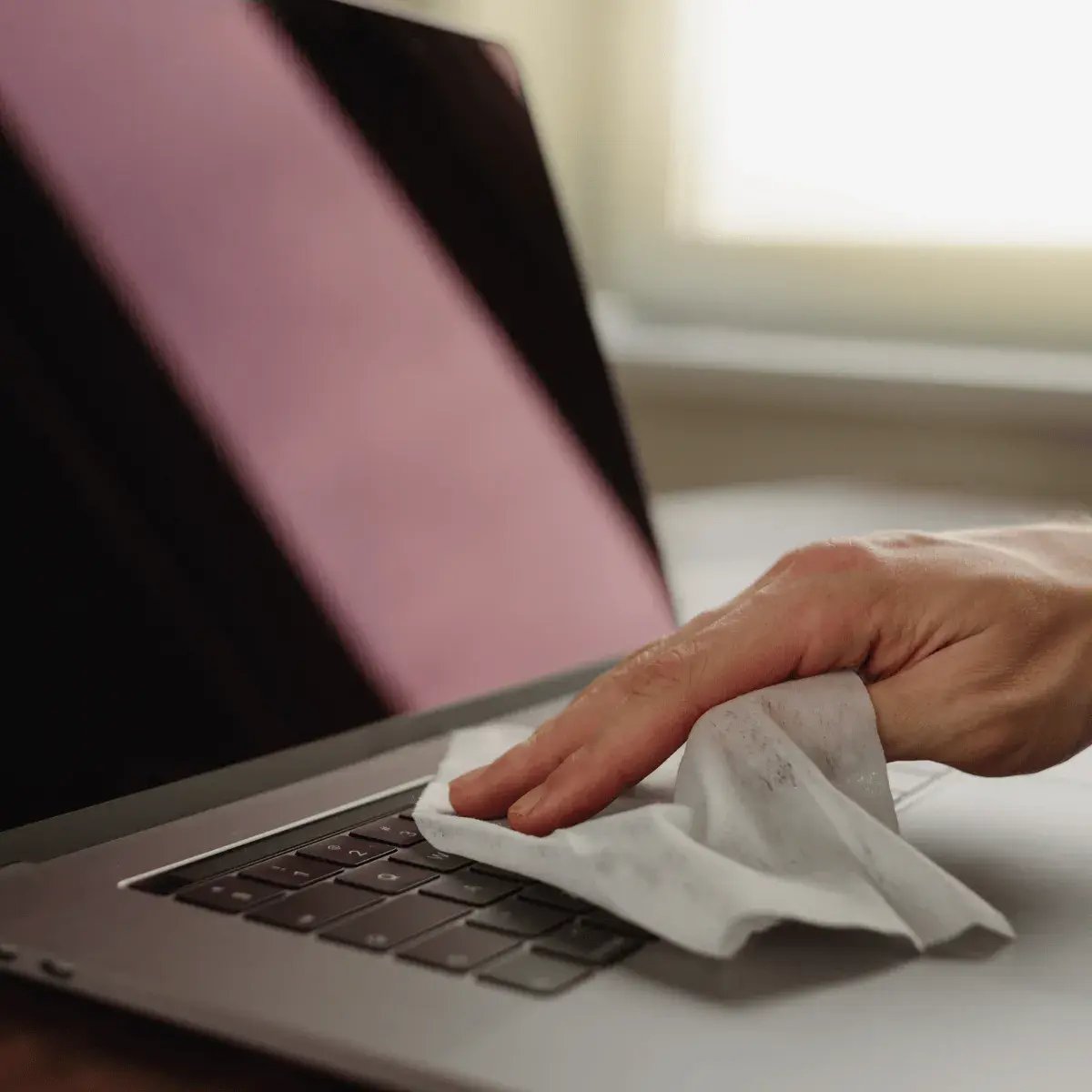
Hygiene requirements in offices and workplaces: More than cleanliness
Hygiene is now an integral part of occupational safety and health care in companies. However, it’s not just about workplaces being clean. Above all, it’s about protecting employees and customers from illness. The European Union sets standard minimum health and safety requirements via the EU Framework Directive 89/391/EEC, which is implemented in member states’ national laws.
To ensure that infection protection in the workplace works well in practice, hygiene is often documented in writing and monitored with digital systems. Networked disinfectant dispensers or digital checklists help to keep an overview and ensure that all hygiene requirements in offices and administrations are met. This way, hygiene does not become a burdensome duty, but a practical tool to make everyday interaction safer.
The international standard ISO 45001 emphasizes that occupational safety and health are a management responsibility. Companies should identify risks early, introduce appropriate protective measures and continuously check compliance. This creates an environment where everyone can feel safe and well looked after.
Those who successfully combine hygiene and occupational safety not only ensure healthier workplaces, but also gain the trust of employees and customers. That pays off in the long run!