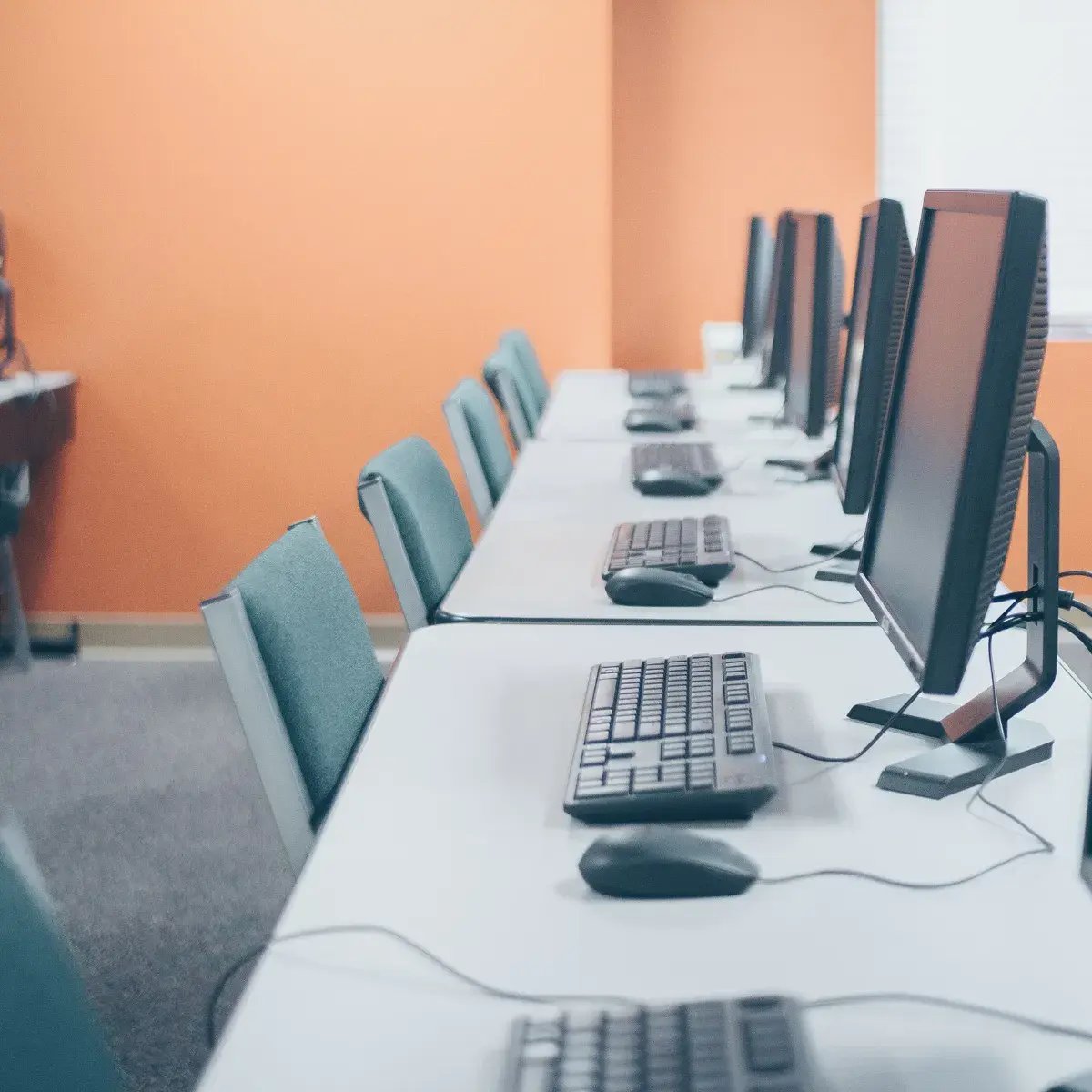
When it comes to microbial load, computer keyboards hold a dubious record: studies confirm that an average keyboard can carry up to 400 times more bacteria than a toilet seat. Researchers at the University of Arizona found that keyboards in open-plan offices or shared-desk setups are particularly contaminated.
The list of possible pathogens reads like a mini ‘Who's Who’ of office germs: not only the usual suspects such as Staphylococcus aureus, E. coli and streptococci, which are responsible for a wide range of infections from the skin to the respiratory tract and urinary tract, were detected on keyboards. Multiresistant germs such as MRSA (a strain of Staphylococcus aureus that is particularly problematic in hospitals and care facilities and can lead to blood poisoning, among other things) have also been detected. According to studies, they are present on every seventh keyboard. They also harbour bacteria such as Enterococcus faecalis or Bacillus cereus, which can cause diarrhoea or even food poisoning. What's more, viruses such as norovirus and influenza virus can remain on plastic surfaces for many hours, meaning that transmission through touch is possible even after brief contact.
The reason is simple: hands are the main carriers of germs, especially if they are not washed before or after using the computer. Eating, commuting, sneezing or touching surfaces and then typing transfers microbes directly onto the keyboard. Spilled coffee or crumbs between the keys also provide a breeding ground for bacteria.
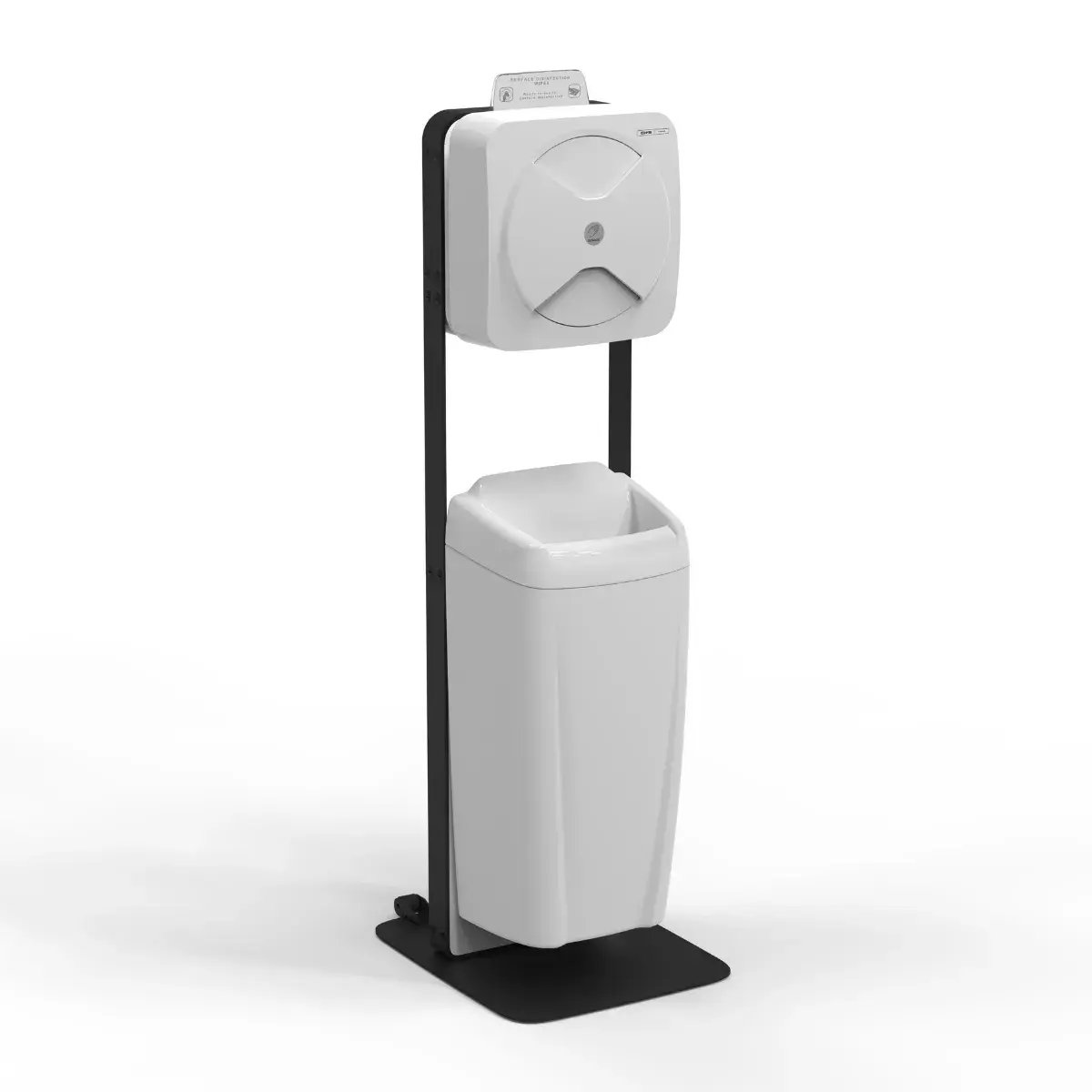
Regular cleaning and surface disinfection significantly reduces the risk of transmission.