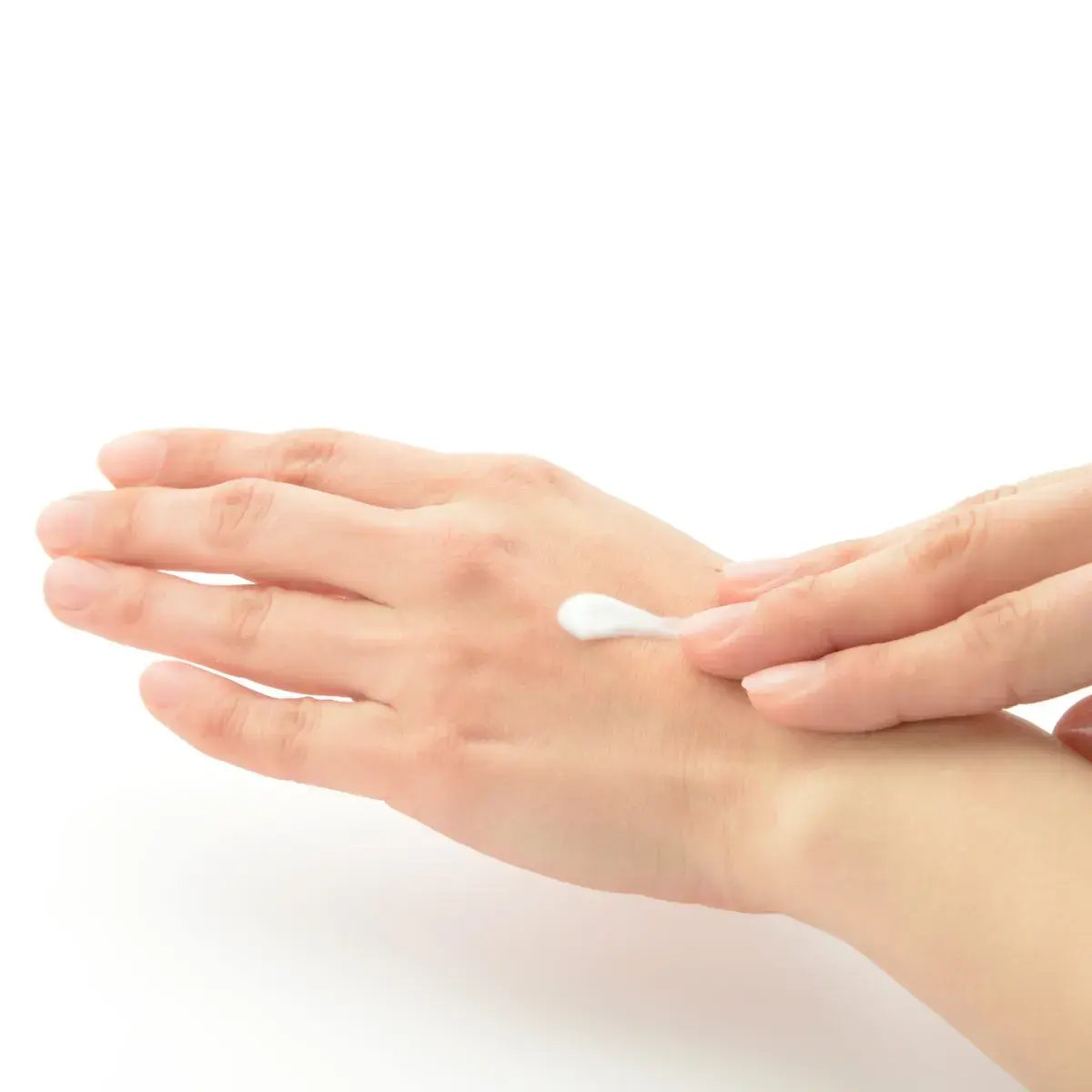
Think of your skin as a protective wall. This is where skin protection products come in. They create an invisible barrier that prevents harmful substances from penetrating the skin. There are different types of protection: water-soluble creams help protect against drying dirt; lipid-rich creams are ideal for activities involving frequent contact with water, such as in hospitality or healthcare; in professional care settings, experts even recommend applying protective products at home to maintain the skin barrier.
However, even the best product won’t help if it’s not used correctly. Protection creams should be applied generously, ideally before work begins, and reapplied during the day depending on exposure. The skin needs this buffer to keep irritants out.
In addition to creams, protective gloves are another essential component. But not every glove fits every task. It’s important to select materials that match the substances used on site and ensure the gloves cover wrists and lower arms sufficiently.
All of this is captured in a workplace hygiene and skin protection plan, ideally displayed prominently near wash stations or changing areas. This keeps skin protection visible and encourages consistent use.