What types of disinfectants are there?
Chemical disinfectants use different active ingredients to eliminate microorganisms on skin, surfaces, or equipment:
- Alcohol-based disinfectants (e.g., ethanol or isopropanol) are particularly skin-friendly. They act quickly against bacteria, enveloped viruses, and fungi and are standard for hand disinfection.
- Aldehydes (e.g., formaldehyde, glutaraldehyde) have a broad spectrum of activity, including spores, and are used mainly for instrument and surface disinfection due to their potential skin irritation.
- Chlorine compounds (e.g., sodium hypochlorite) are fast and cost-effective, suitable primarily for surface disinfection and water treatment.
- Peroxides (e.g., hydrogen peroxide, peracetic acid) are eco-friendly oxidising agents with broad efficacy, increasingly used for surface disinfection.
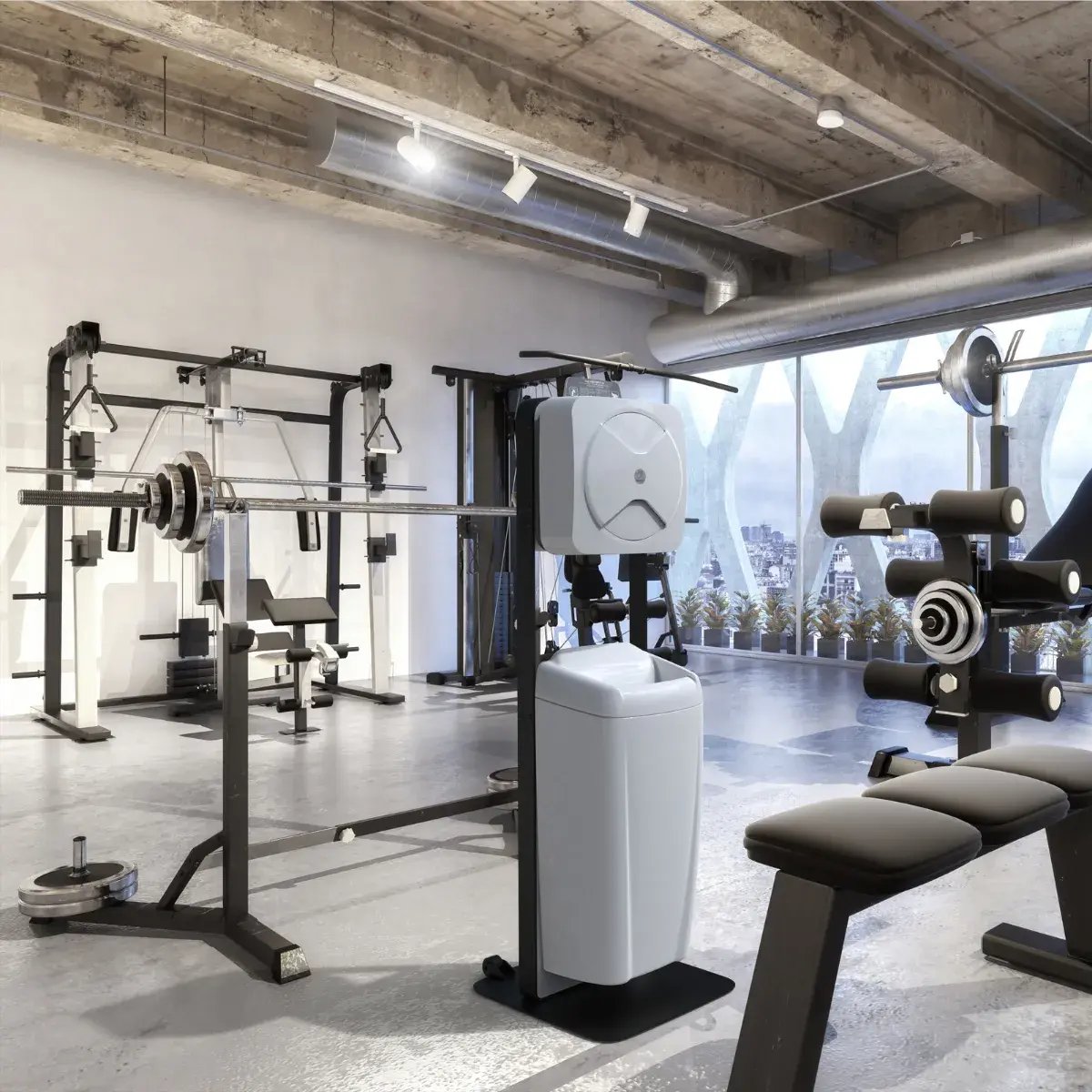
Fitness centres often use alcohol-based surface disinfectants for equipment, whereas the food industry prefers chlorine-based solutions to prevent residues, while care facilities often rely on aldehyde-free products to protect sensitive respiratory systems.