Natural and synthetic abrasives differ significantly in origin and performance.
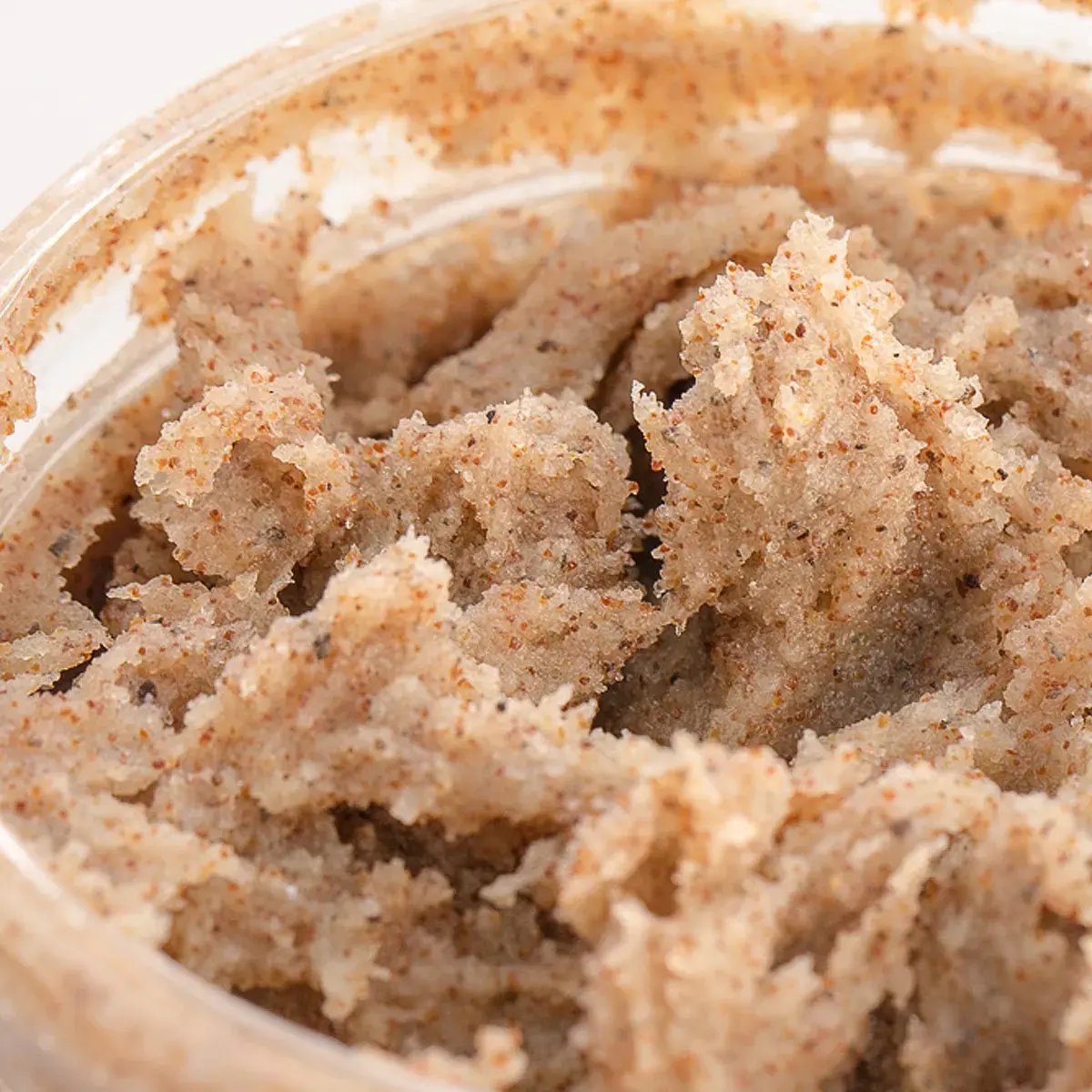
Natural abrasives such as ground cornmeal, quartz sand or silica are derived directly from natural sources. They are biodegradable and especially gentle on the skin, making them ideal for hand cleaners. For example, another common ingredient used in hand cleaners is abrasiva. What is it? The CWS Abrasiva Hand Cleaner uses finely milled corn cob meal, which cleans effectively without irritating the skin or harming the environment. Natural abrasives tend to be softer, making them suitable for gentle cleaning tasks.
Synthetic abrasives, in contrast, are industrially manufactured. They often include aluminium oxide, silicon carbide or ceramic abrasives. Because they are extremely hard and durable, they are primarily used for intensive industrial cleaning and grinding processes. They are engineered for specific performance requirements, ensuring consistent results even under demanding conditions. Their shape and hardness can be precisely controlled, which is essential for high efficiency and precision.
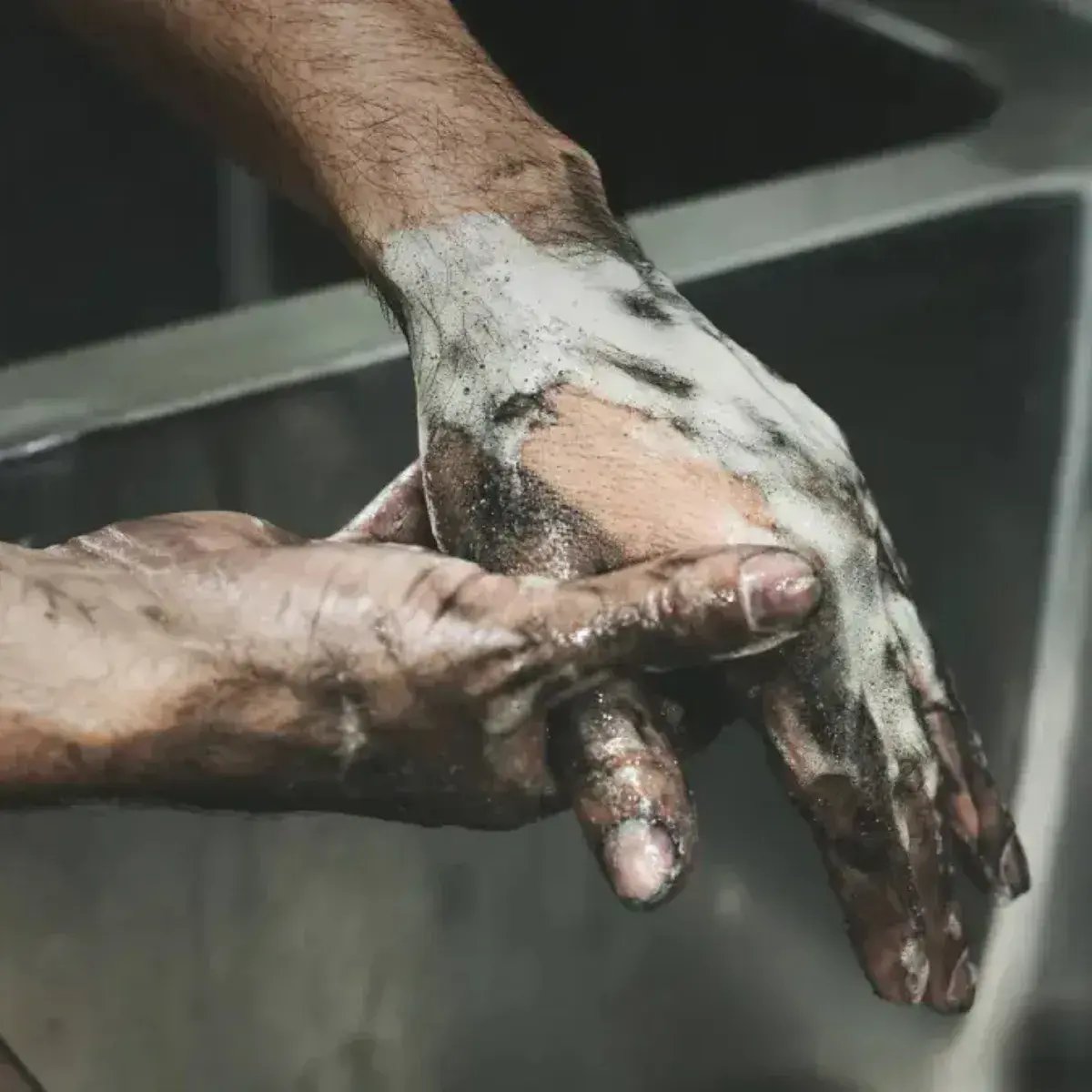
Both types of abrasives are available as powders, granulates, abrasive liquids or pastes. Natural abrasives typically appear in finely milled form, while synthetic versions may be offered as larger grains or complex composite materials. Abrasive pastes, for example, are used when mechanical cleaning needs to be combined with skin care, as seen in industrial hand cleaners.
Natural abrasives are environmentally friendly and skin-friendly, ideal for hygiene-critical applications. Synthetic abrasives are harder, more precise and highly effective, the first choice for industrial cleaning and grinding processes.